

Key Takeaways
- The Entry/Exit System (EES) for Schengen borders will launch in spring 2025, gradually implementing over 180 days.
- The European Travel Information and Authorisation System (ETIAS) for visa-exempt travelers will become mandatory in spring 2026, costing €7.
- EES tracks biometric entry/exit data, while ETIAS pre-screens travelers pre-arrival; both enhance security and border efficiency.
The European Union (EU) is gearing up to launch two significant border management systems in 2025: the Entry/Exit System (EES) and the European Travel Information and Authorisation System (ETIAS). These systems are set to modernize travel procedures for the Schengen Area 🌍, but their functions and goals differ significantly. Here’s an in-depth look at each system and how they compare.
Entry/Exit System (EES)
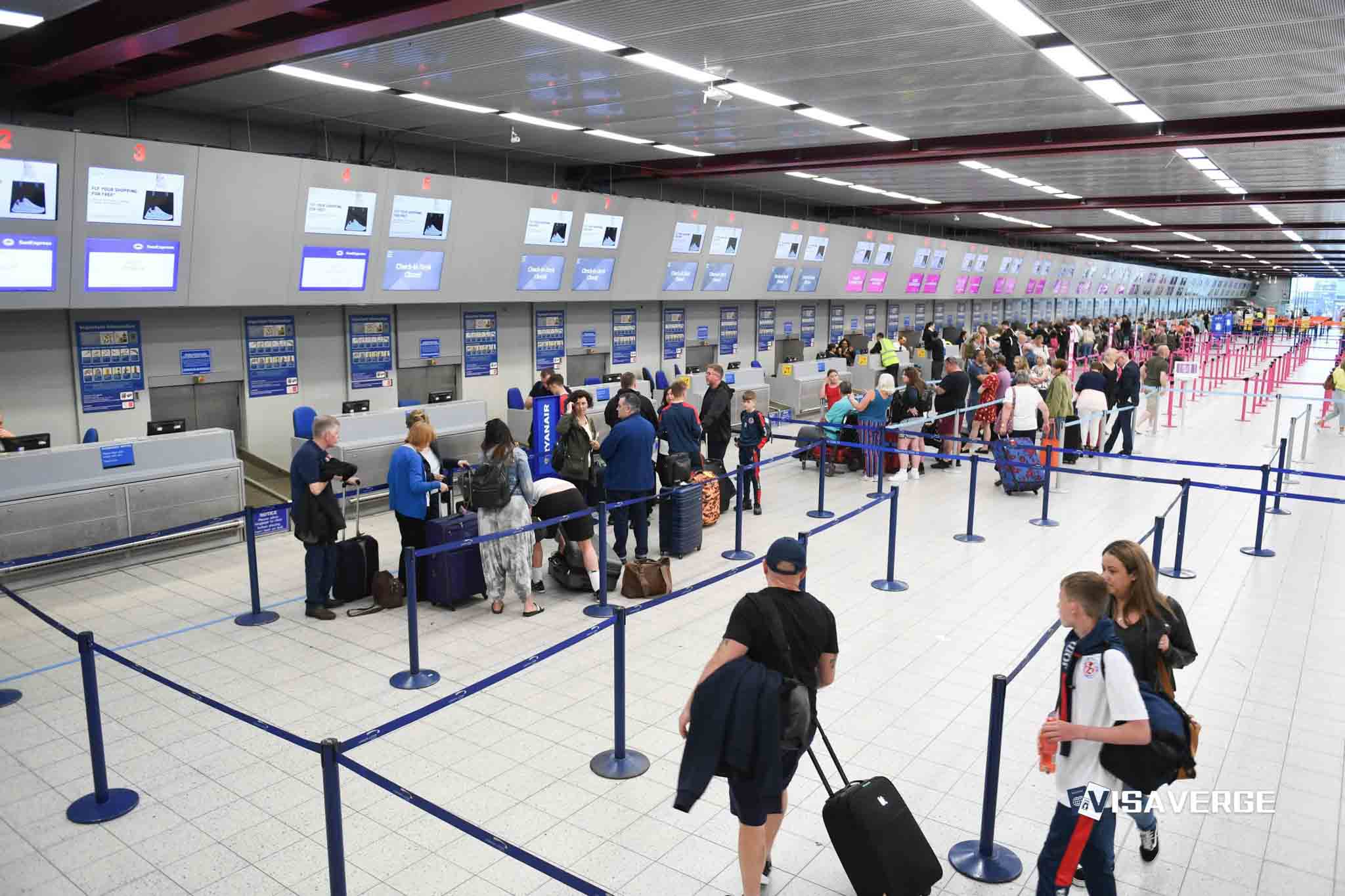
The EES is a groundbreaking system designed to replace traditional passport-stamping methods at Schengen borders. Its role is to electronically record the entry and exit of third-country nationals who visit for short stays. Both visa holders and visa-exempt travelers will be subject to the EES requirements.
Objectives and Operation
The key purpose of the EES is to tackle illegal immigration and improve how borders are managed. By electronically logging data such as travelers’ full names, passport numbers, entry/exit dates, and biometric information—including facial photos and fingerprints—the system aims to simplify monitoring and ensure a higher degree of border security. Additionally, it will help monitor short-term visa validity and detect overstays.
Implementation Timeline
Although first planned for earlier implementation, the EES has encountered several postponements. The system is now slated to begin in spring 2025. However, EU authorities have confirmed it will roll out gradually over 180 days. Initially, only a limited percentage of entries and exits will be updated to EES, with full-scale adoption by the end of this period.
European Travel Information and Authorisation System (ETIAS)
In contrast to the EES, ETIAS is an electronic travel authorization system targeting visa-exempt travelers entering the Schengen Area. Although ETIAS may resemble existing travel approval systems such as the U.S.’s ESTA, its implementation and goals are unique to the EU.
Objectives and Operation
ETIAS prioritizes pre-arrival screening, aiming to enhance travel safety and control migration flows. Before their trips, visa-exempt visitors will fill out a quick online form requiring basic personal data and background details. This process includes a minimal €7 fee, though the fee will be waived for certain groups such as minors and seniors over 70. Once approved, the authorization will remain valid for three years or until the traveler’s passport expires, whichever comes first.
Implementation Timeline
ETIAS is scheduled to follow the successful implementation of the EES. Six months after EES is fully operational, ETIAS will become optional in the fall of 2025 and progress to mandatory enforcement by spring 2026.
Key Differences Between EES and ETIAS
While both systems aim to bolster European security and regulate travel, their designs reflect divergent focuses.
- System Role:
EES functions as an electronic entry and exit log, while ETIAS serves as a pre-travel approval mechanism. -
Target Group:
EES applies to all third-country nationals, while ETIAS specifically targets visa-exempt travelers. -
Data Collected:
EES records biometric and passport data, while ETIAS collects personal and background information relevant for pre-screening. -
Purpose:
The EES addresses in-country border management by tracking entries and exits. ETIAS, on the other hand, screens visitors before arrival to identify potential threats. -
Cost:
While ETIAS requires a small fee, the EES does not impose any direct costs on travelers. -
Validity:
EES data is specific to each trip, but ETIAS authorization can be reused for multiple visits within a three-year period.
Practical Implications for Travelers
Both systems will reshape how non-EU nationals travel to the Schengen Area. Some of the notable impacts include:
- Quick Border Crossings:
By removing the need for manual passport stamps, the EES will streamline border crossings, although first-time travelers might face extra processing time for biometric data collection. -
Mandatory Pre-Travel Applications:
Visa-exempt guests will need to obtain an ETIAS authorization prior to traveling. This will add a layer of preparation for trips to the Schengen Area. -
Additional Responsibilities for Carriers:
Transportation companies, including airlines and rail operators, will need to verify that travelers hold valid ETIAS authorizations before allowing them to board. -
Greater Security:
Both systems together will create enhanced safety mechanisms, preventing potential overstays and screening travelers for risks before entering the Schengen Area.
Challenges and Future Considerations
While both the EES and ETIAS bring advancements, introducing two new systems in a short timeframe has proven to be complicated. Their implementation has already been delayed, highlighting concerns about the technical and logistical preparation needed to support such large-scale programs.
EES Timelines
Rolling out EES gradually over 180 days may help reduce initial congestion. However, border officials will need to manage longer processing times when collecting biometric data for first-time users of the system.
ETIAS Coordination
The success of ETIAS heavily relies on public awareness. Many travelers, especially visa-exempt individuals, may be unfamiliar with the new rules, which could impact compliance in the early phase.
Room for Adjustments
Given the history of postponed timelines, further delays or policy tweaks cannot be ruled out. Though the EU intends to have both systems fully operational by mid-2026, constant monitoring of their implementation progress will be essential.
Final Thoughts
The Entry/Exit System and the European Travel Information and Authorisation System represent a new era of European border management. Together, these systems aim to balance welcoming travelers with ensuring security. EES will digitalize entry and exit tracking, replacing outdated manual passport stamps, which will improve border accuracy and monitoring. Meanwhile, ETIAS will give border officials critical pre-arrival insights, protecting the region from risks while keeping travel efficient for legitimate visitors.
As travelers head toward 2025, it will be vital to stay informed about how these changes might affect their trips. Accurate updates will be available through resources such as VisaVerge.com and official EU platforms like europa.eu, where the latest announcements on the EES and ETIAS will be shared.
By preparing early and understanding the requirements of these upcoming systems, travelers can continue enjoying smooth and secure journeys to the Schengen Area.
Learn Today
Schengen Area → A group of 27 European countries with no passport control between their international borders, promoting free movement.
Entry/Exit System (EES) → An electronic system for logging third-country nationals’ entry and exit at Schengen borders, replacing manual passport stamps.
European Travel Information and Authorisation System (ETIAS) → A pre-arrival travel authorization for visa-exempt travelers visiting the Schengen Area, requiring personal and background data screening.
Biometric Information → Data unique to individuals, such as fingerprints or facial images, used for identity verification and enhancing security.
Visa-Exempt Travelers → Individuals allowed to enter certain countries without obtaining a visa beforehand, typically for short stays or tourism.
This Article in a Nutshell
The EU’s 2025 launch of the Entry/Exit System (EES) and European Travel Information and Authorisation System (ETIAS) will transform Schengen Area travel. EES tracks entries/exits with biometric data, replacing passport stamps. ETIAS pre-screens visa-exempt travelers. Together, they enhance security, simplify borders, and redefine EU travel. Prepare now for seamless journeys!
— By VisaVerge.com
Read more:
• UN Warns Against Pakistan’s Plan to Deport Afghan Refugees
• ICE Frees Migrants as Detention Centers Exceed Full Capacity
• Rubio Strikes Deal for El Salvador to Take U.S. Deportees, Including Americans
• H-1B Training Fees Explained: Who Pays What and How Much
• Iowa Refugees Impacted by White House Funding Suspension











As a frequent visitor to EU from UK I currently get my arrival departure information from the passport stamps provided on entry and exit. How will I get this information from the EES system.